Septic Cleaning in Woodstock, GA
Pumping empties a tank. Cleaning goes further, breaking up the crusted buildup that clings to the walls and baffles long after the liquid is gone. If your tank has gone years without service, cleaning is usually the right call.
Restores Full Capacity
Often Paired With Pumping
Schedule Cleaning
Cleaning vs. Pumping: What’s Actually Different
Pumping removes the liquid and loose solids sitting in the tank. But over years of use, a hardened crust of scum can build up on the tank walls and around the baffles — material that doesn’t come out just by suctioning the tank contents. Cleaning agitates and hoses down that crust, then pumps it out along with everything else.
Left alone long enough, that buildup narrows the tank’s actual working capacity and can partially block the outlet baffle. Once the baffle is compromised, solids that should stay in the tank start washing out toward the drain field, which is a much more expensive problem to fix than a tank that just needs a good scrub.
We generally recommend cleaning when a tank hasn’t been serviced in seven or more years, or when we find heavy crusting during a routine pumping visit. It’s not something every tank needs every time — most maintained tanks never require it.
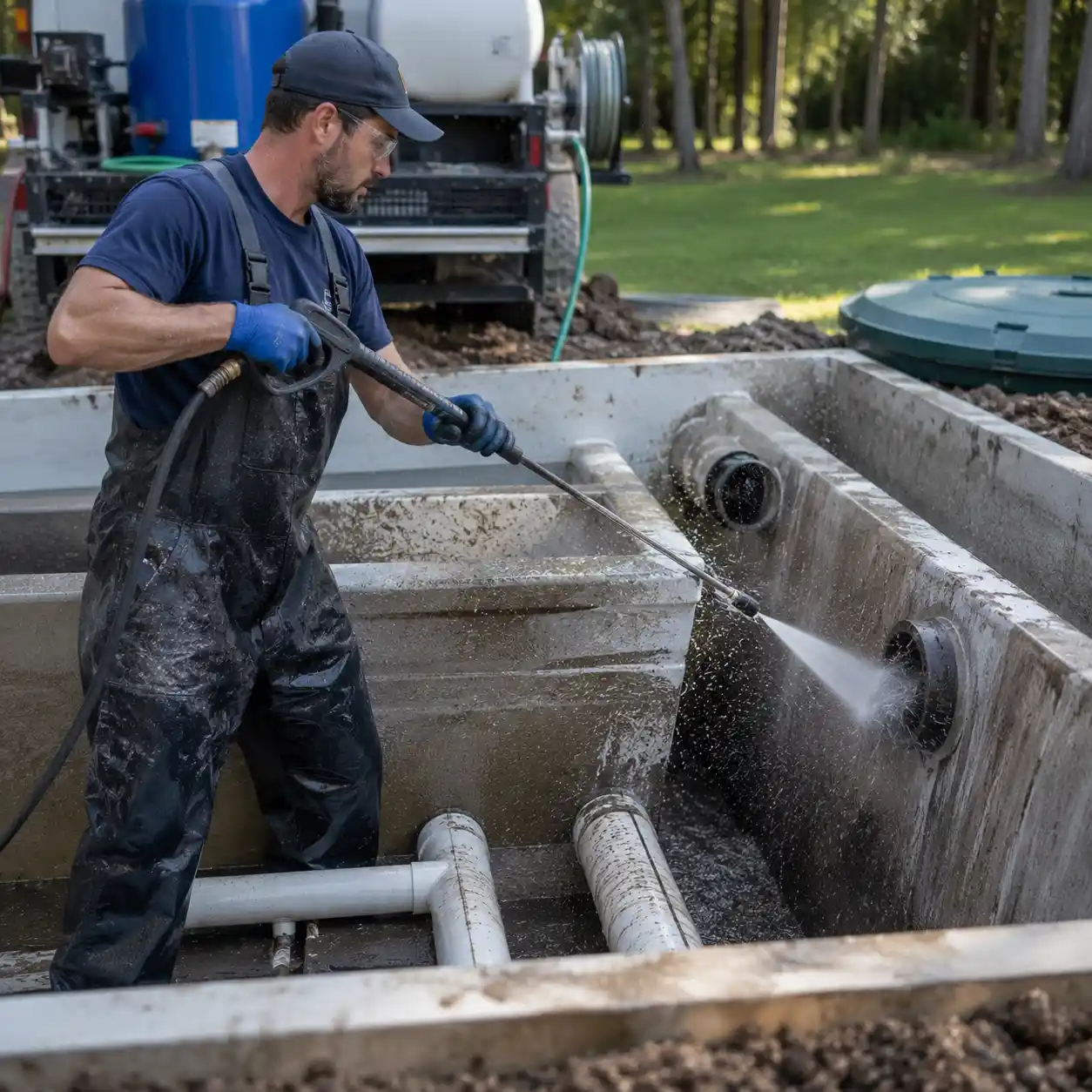
What a Cleaning Visit Involves
More involved than a standard pump-out, and it shows in the results.
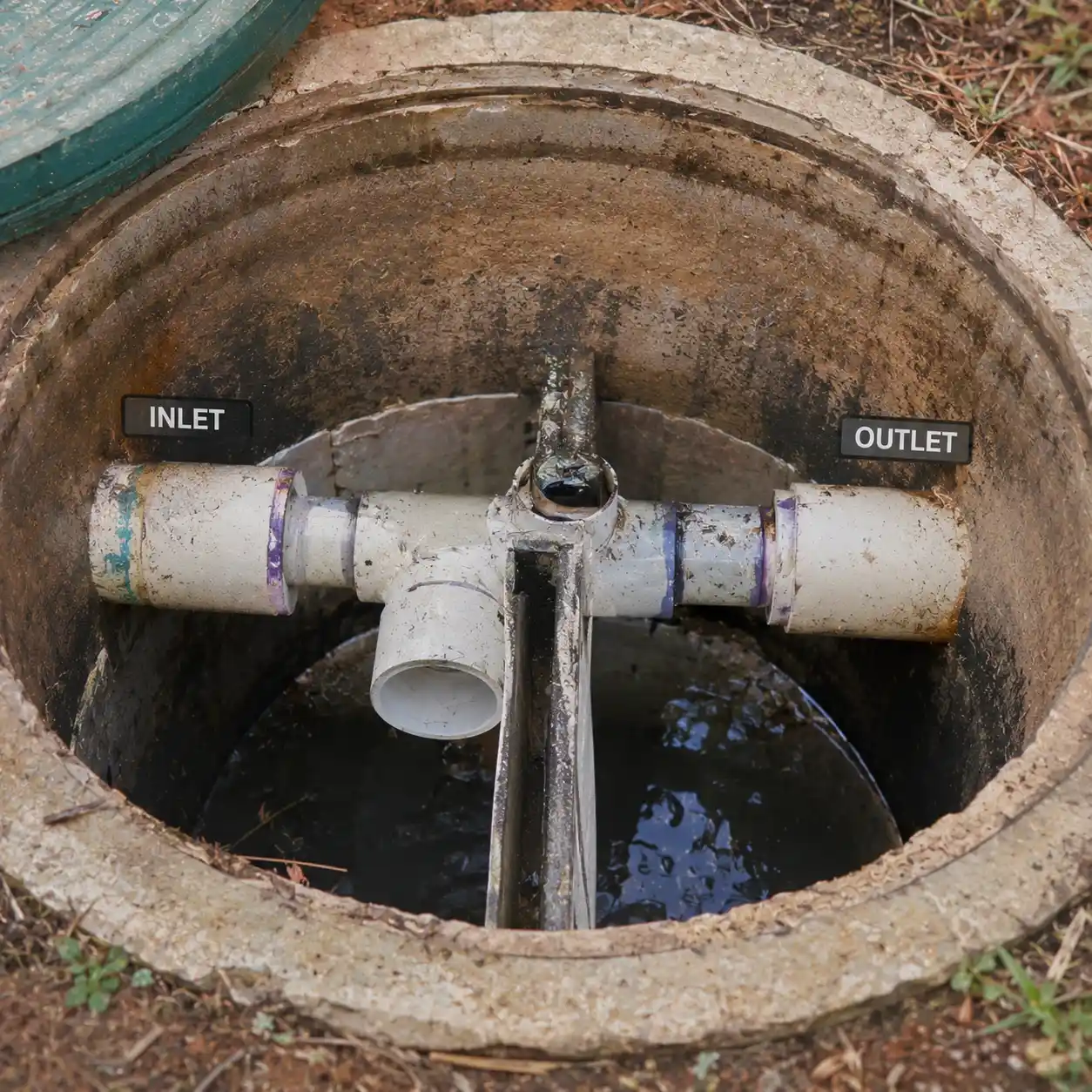
Signs You Need Cleaning, Not Just Pumping
Some of these only become obvious once a technician is already inside the tank, but a few are noticeable from the house:
- It’s been a decade or more since the tank was last serviced
- Slow drains persist even after a recent pumping
- Persistent sewage odor that pumping alone didn’t resolve
- Visible scum buildup on the riser walls when the lid is opened
- Previous owner has no maintenance records at all
If any of these sound familiar, mention it when you schedule so we can plan for a cleaning visit rather than a standard pump-out.
From Assessment to a Fully Cleared Tank
Initial Assessment
We confirm cleaning is actually needed rather than assuming, sometimes during a routine pumping visit.
Pump & Agitate
Remove tank contents, then break up crusted buildup on the walls and baffles.
Rinse & Clear
A full cleaning visit typically runs 90 minutes to two hours, longer than a standard pumping.
Final Check & Report
Confirm the baffles and capacity are clear, then document the visit.
Pumping vs. Cleaning, Side by Side
Both services matter, but they solve different problems.
Most well-maintained tanks never need a dedicated cleaning visit — regular pumping keeps buildup from ever reaching that point.
Cleaning for Heavier-Use Commercial Tanks
Commercial properties with steady daily flow — offices with a full staff, churches with regular events, daycares — tend to build up scum and crust faster than a typical residential tank sees.
We can build cleaning into a set commercial maintenance schedule rather than waiting for a slow drain to prompt an emergency call, which tends to be less disruptive to day-to-day operations.
This is separate from grease trap service — if your property runs a commercial kitchen, that’s handled under its own schedule.
Cleaning-Specific Questions
No — pumping removes what’s loose in the tank, while cleaning specifically targets the hardened buildup on the walls and baffles that pumping alone leaves behind. We’ll tell you plainly which one your tank actually needs.
Often, yes, if the odor is coming from crusted buildup or a partially blocked baffle. If the smell persists after cleaning, that usually points to something in the drain field instead, and we’d look there next.
Honestly, most homeowners can’t tell from the yard. We make that call once the lid is open and we can see actual tank condition — that’s part of why we check for it during every pumping visit.
It can, particularly by protecting the baffles from long-term damage caused by buildup pressing against them. A tank cleaned before real damage sets in tends to hold up better over the following years.
Yes, if solids already made it out to the field before the cleaning happened. Cleaning fixes the tank; it doesn’t undo damage that’s already occurred downstream. We’ll check the field while we’re there either way.
Cleaning Service Across Six Counties
Deep cleaning visits happen throughout Cherokee, Forsyth, Cobb, Bartow, Pickens, and Paulding counties, most often on older properties where the maintenance history is thin or nonexistent.
Because this job takes longer than routine pumping, we plan for it in advance where possible rather than treating it as a same-day add-on.
- Woodstock and all of Cherokee County
- Forsyth County — Cumming and surrounding areas
- Cobb County — Acworth, Kennesaw
- Bartow County — Cartersville
- Pickens County — Jasper
- Paulding County — Dallas, Hiram
Other Septic Services We Offer
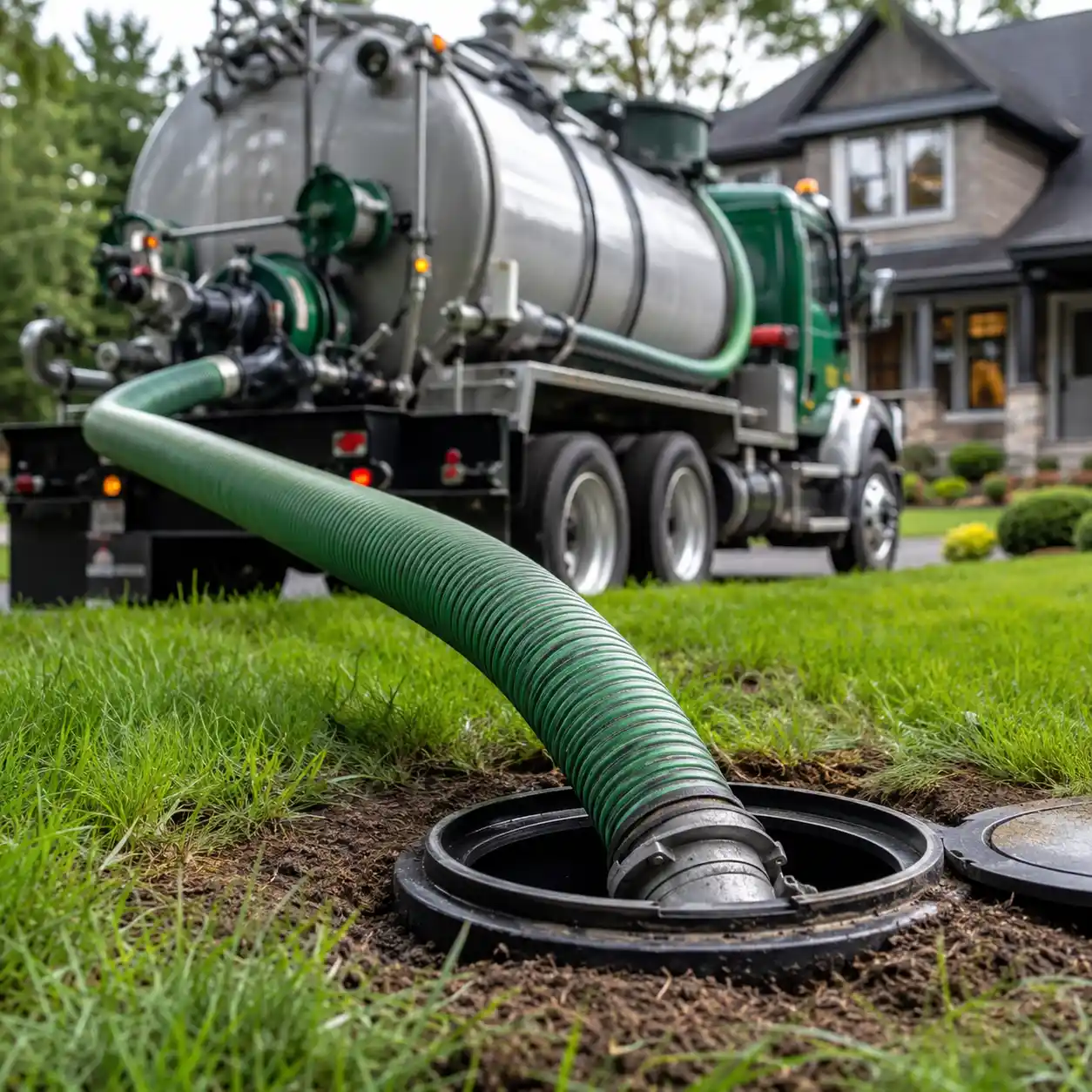
Septic Tank Pumping
Routine pumping on a regular schedule is what keeps a tank from ever needing a full cleaning in the first place.
Drain Field Services
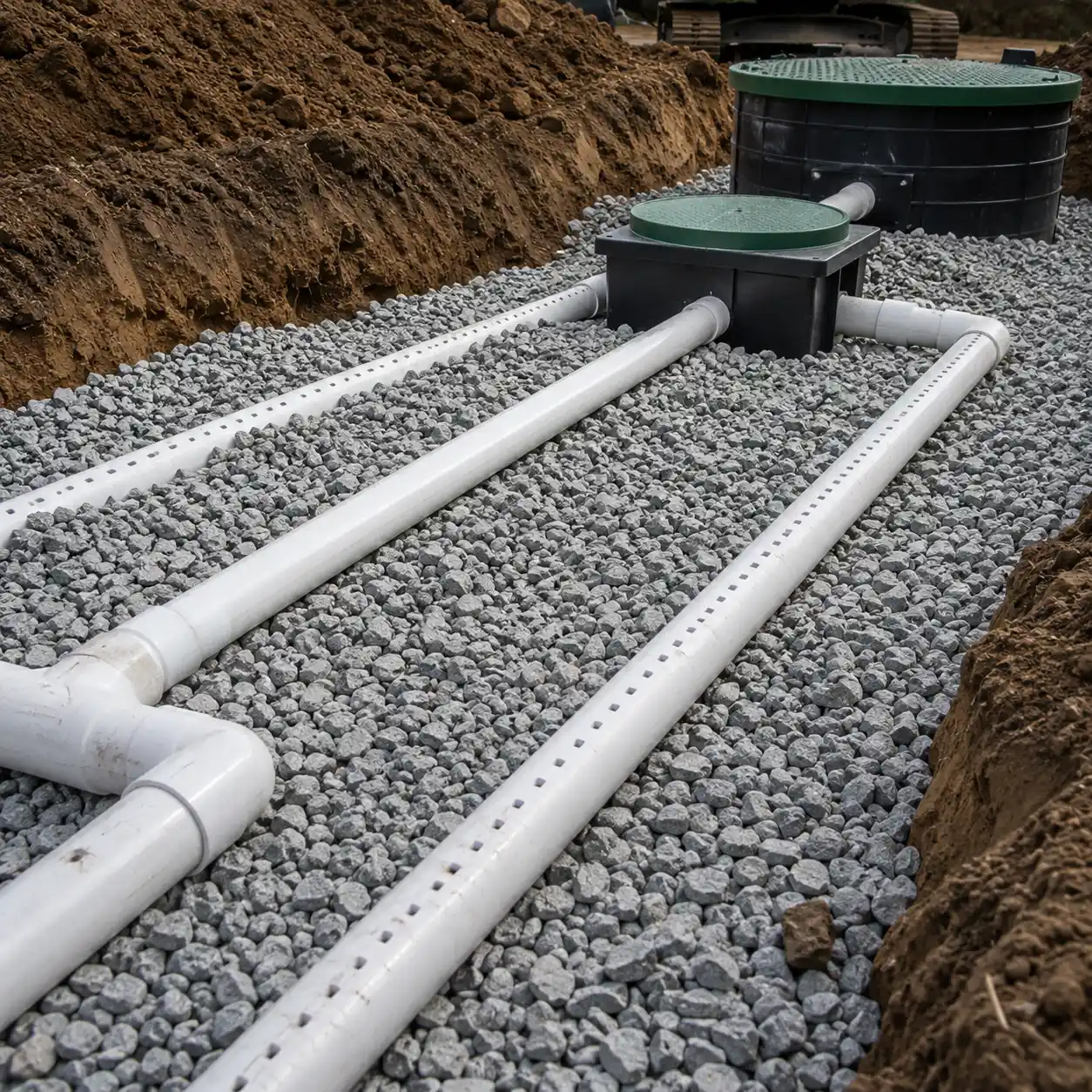
If solids already reached the field before a cleaning, this is where we assess the resulting damage.
Septic Inspections
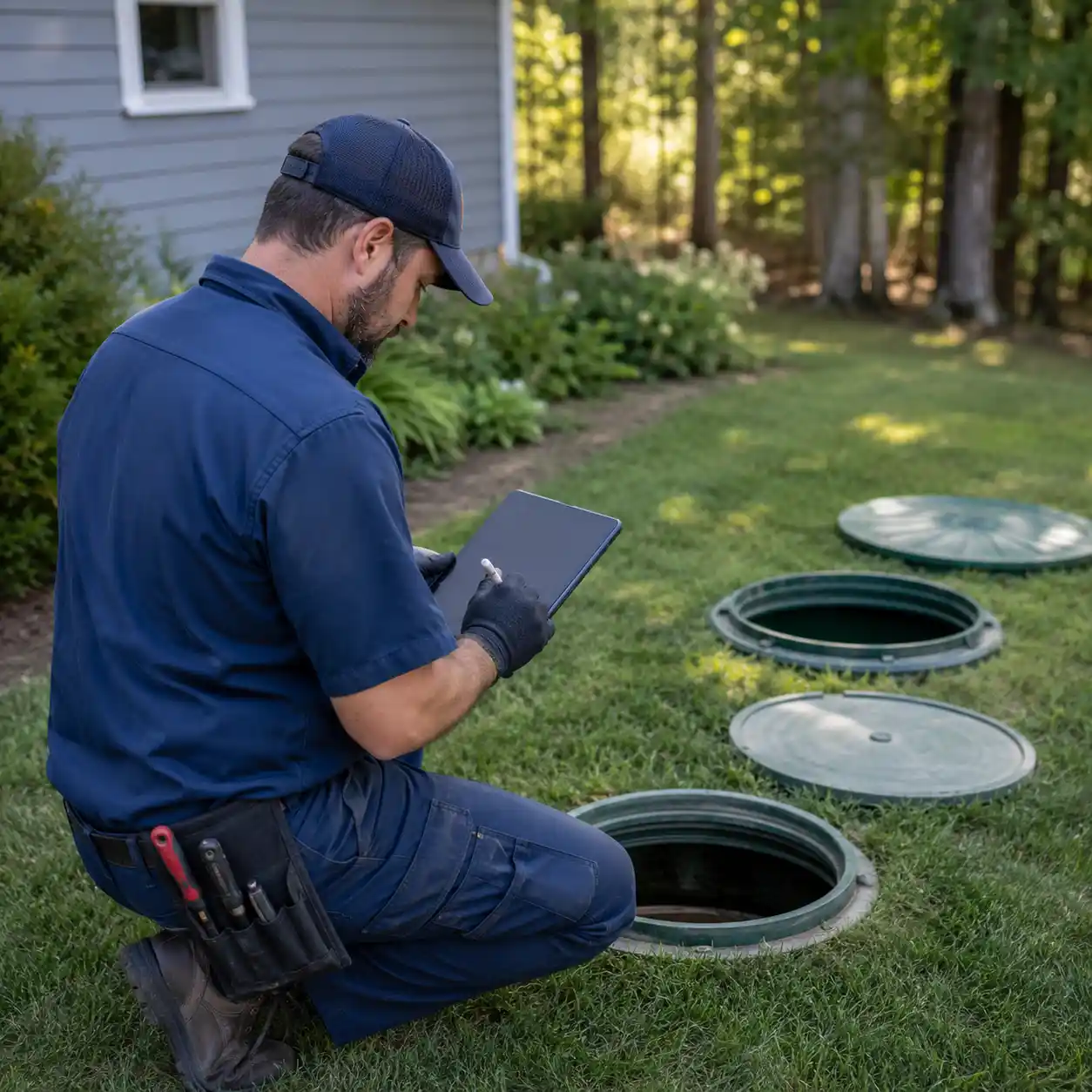
A good next step after cleaning if you want a full written picture of the system’s overall condition.
Get Your Tank Fully Cleared Out
If it’s been years since anyone serviced your tank, tell us what you know and we’ll figure out what it actually needs.
- Full pump-out included
- Crusted scum removal from tank walls
- Baffle clearing and inspection
- Capacity restoration
- Written service record
- Follow-up pumping schedule recommendation
Tell Us About Your Needs
We’ll reach out to confirm your appointment details.