Septic System Installation in Woodstock, GA
From soil testing through county final inspection, we design and install systems sized to the ground they’re actually going into — which on Piedmont clay usually means something more than the standard plan.
Full Permitting Handled
Conventional & Engineered Systems
Schedule Installation
Why Soil Testing Drives Everything Else
Before anything gets designed, we run a soil evaluation and percolation test to measure how fast the ground actually absorbs water. That number, along with the site’s slope and available space, determines what kind of system your lot can support and how large the drain field needs to be. Guessing at this step is how undersized systems end up in the ground.
Skip a proper evaluation, or rely on a plan built for a different lot, and the consequences show up later — a field that fails within a few years instead of decades, or a system that technically passed inspection but was never really sized for the household using it. We’ve replaced more than a few systems that were installed fast during a building boom without enough attention paid to this step.
On Piedmont red clay, a passing perc rate often still calls for a larger absorption field than the same house would need on sandier soil, and permitting through the county environmental health office is typically the longest lead time in the whole project — plan for it accordingly.
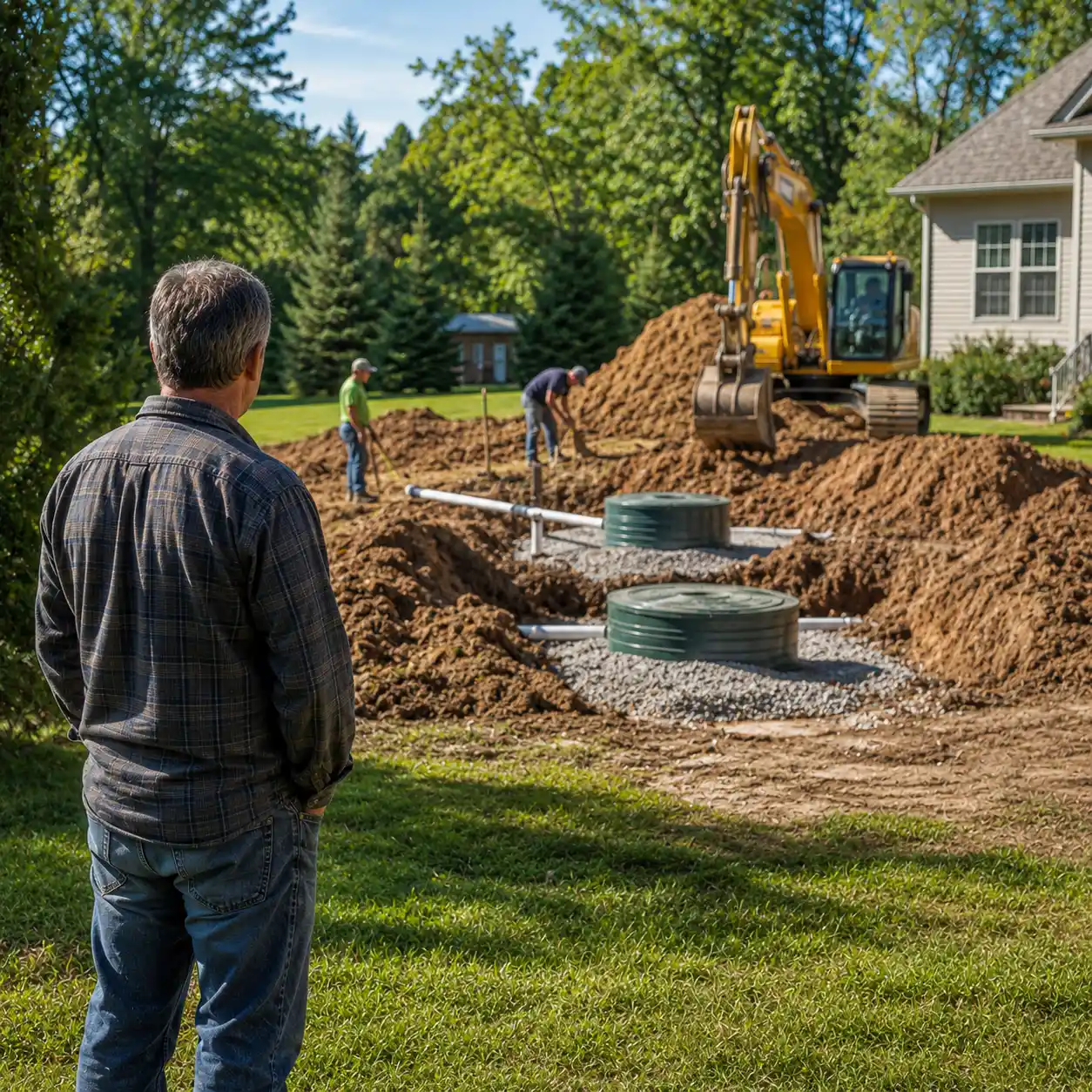
From Permit to a Finished System
Every step required to get a new system approved and in the ground correctly.
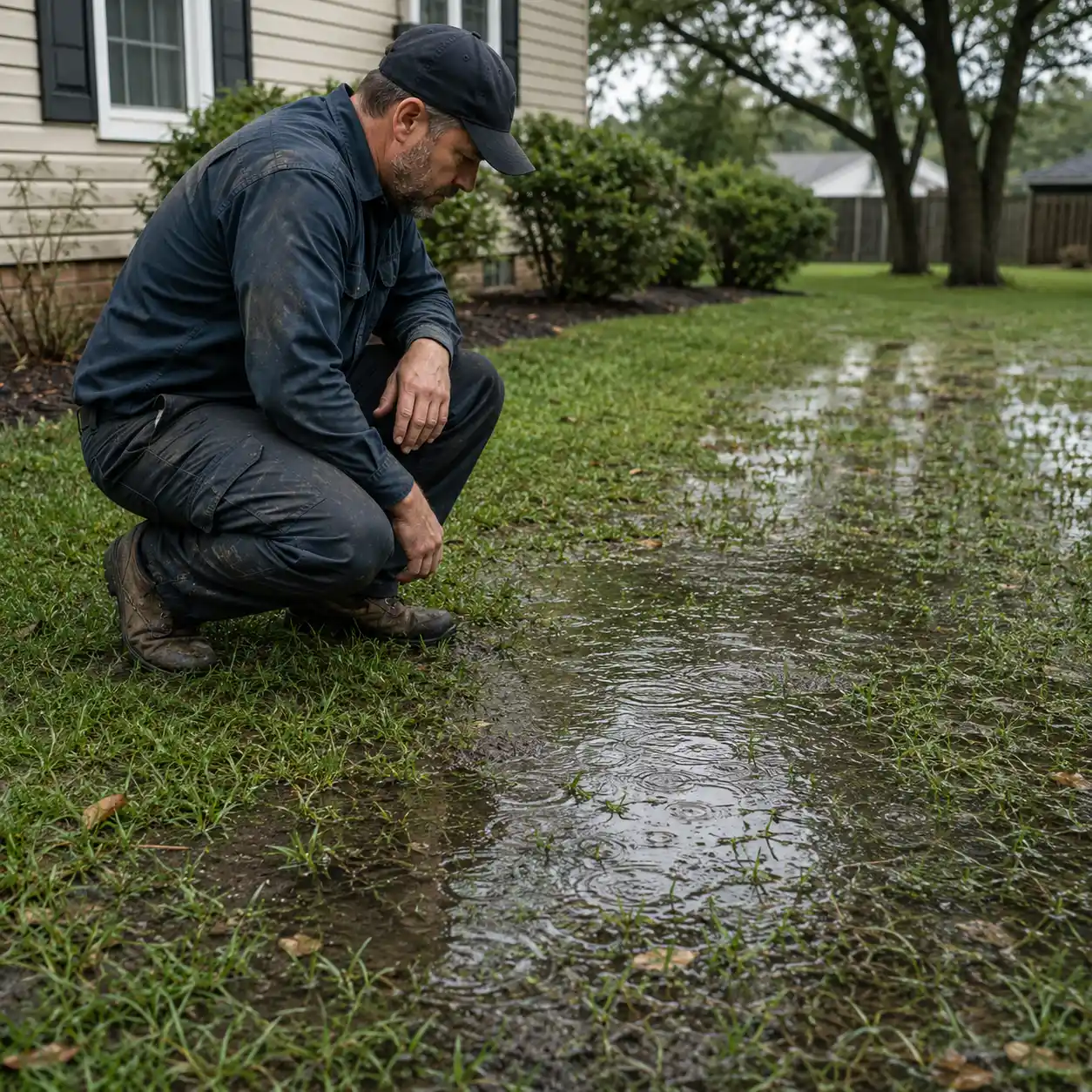
Signs You Need a Full Replacement, Not a Repair
Most systems get repaired long before they need full replacement. These situations are the exception:
- Repeated drain field failures despite prior repair attempts
- A cracked, collapsed, or structurally failed tank
- A home addition or renovation that increases water usage beyond the system’s design capacity
- New construction on a lot with no existing system
- An unpermitted or undocumented system that won’t pass a real estate inspection
If you’re unsure which category your situation falls into, that’s exactly what our diagnostic visit under Drain Field Services is for — we’ll tell you honestly before recommending a full installation.
From Soil Test to Final Approval
Soil Evaluation & Perc Test
The foundation for everything that follows in the design.
Design & Permitting
Often the longest step — county turnaround varies with how busy that office is.
Installation
Conventional systems typically install in a few days once permitted; engineered systems take longer.
Final Inspection & Restoration
County sign-off, then backfilling and reseeding to finish the site.
Conventional vs. Engineered Systems
Which type your lot needs comes down almost entirely to the soil and site conditions.
Your soil evaluation determines which category your lot falls into — we won’t know for certain until the perc test is done.
Installation for New Construction & Commercial Sites
New subdivisions, churches, small commercial buildings, and any property being built past existing sewer lines all need a properly designed system from the start — this is where a lot of the newer construction we see in Forsyth and Paulding counties ends up.
Commercial and institutional installs get sized around peak flow, not just average daily use, since underestimating a building’s busiest day is one of the more common design mistakes on properties like these.
If your project includes a commercial kitchen, we’ll factor grease trap requirements into the design from day one rather than adding them later.
Installation-Specific Questions
It varies with how busy the county environmental health office is at the time. We submit as soon as the soil evaluation is complete and keep you updated on where things stand.
A failed conventional perc doesn’t necessarily mean the lot can’t be developed — it usually means an engineered alternative system is the path forward instead. We’ll walk you through what that looks like and what it costs.
Most counties require an accurate site plan showing property lines, structures, and wells, which typically means a survey if you don’t already have a recent one on file.
Georgia requires installation by a licensed installer for a system to be permitted and approved by the county. This isn’t a project a homeowner can legally take on solo.
We stand behind our installation workmanship, and major components like tanks and pumps carry manufacturer warranties. We’ll go over the specifics for your system before work begins.
Installation Across All Six Counties
We install new systems throughout Cherokee, Forsyth, Cobb, Bartow, Pickens, and Paulding counties, and we’re familiar with each county’s specific permitting process, since it varies more than people expect from one office to the next.
Fast-growing areas like Forsyth and Paulding counties see a steady stream of new-construction installs, while Pickens and Bartow more often call for a mix of new systems and full replacements on older rural properties.
- Woodstock and all of Cherokee County
- Forsyth County — Cumming and surrounding areas
- Cobb County — Acworth, Kennesaw
- Bartow County — Cartersville
- Pickens County — Jasper
- Paulding County — Dallas, Hiram
Other Septic Services We Offer
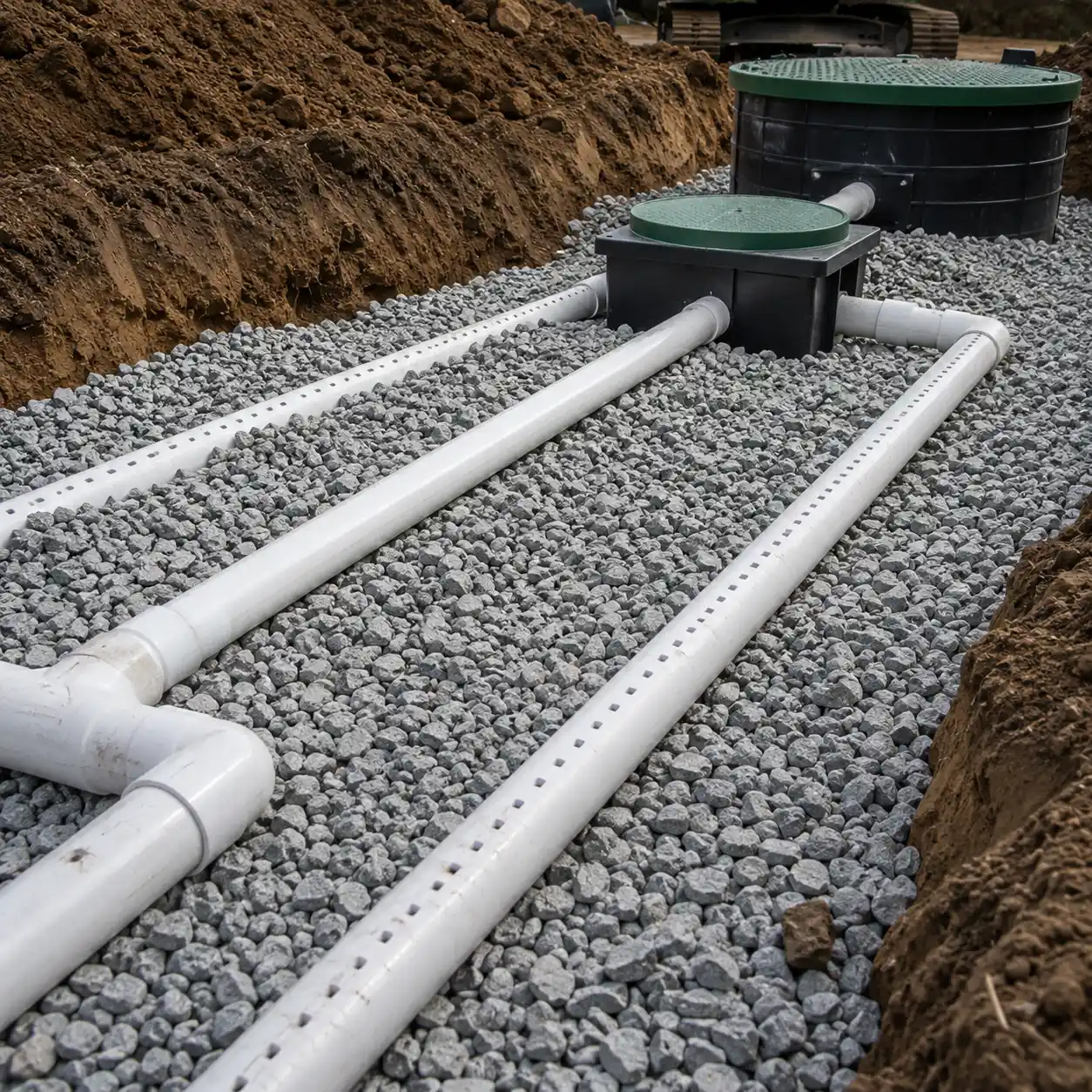
Drain Field Services
If you’re not sure whether your existing field needs repair or full replacement, start here.
Septic Inspections
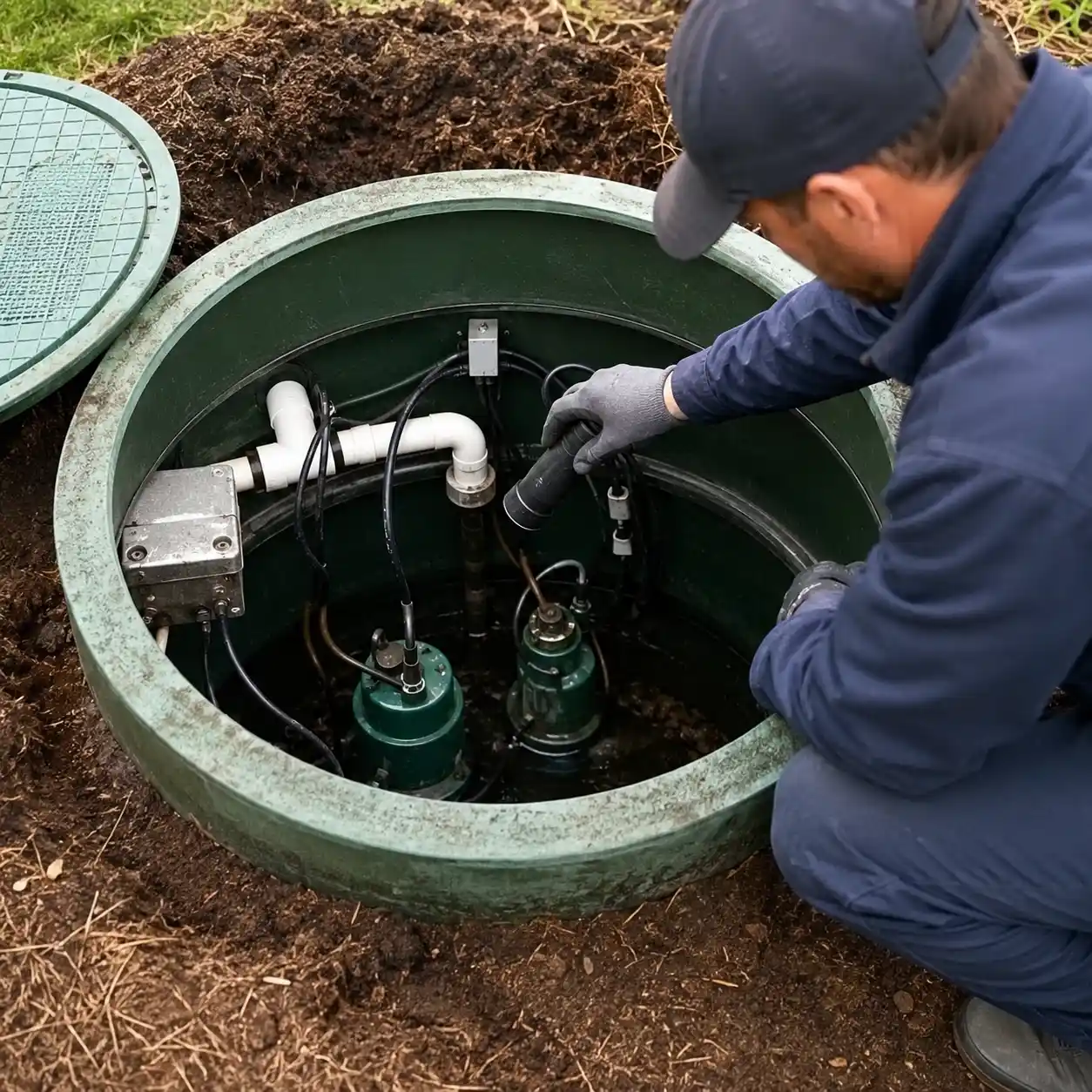
A full evaluation of an existing system before deciding whether replacement is actually necessary.
Septic Tank Pumping
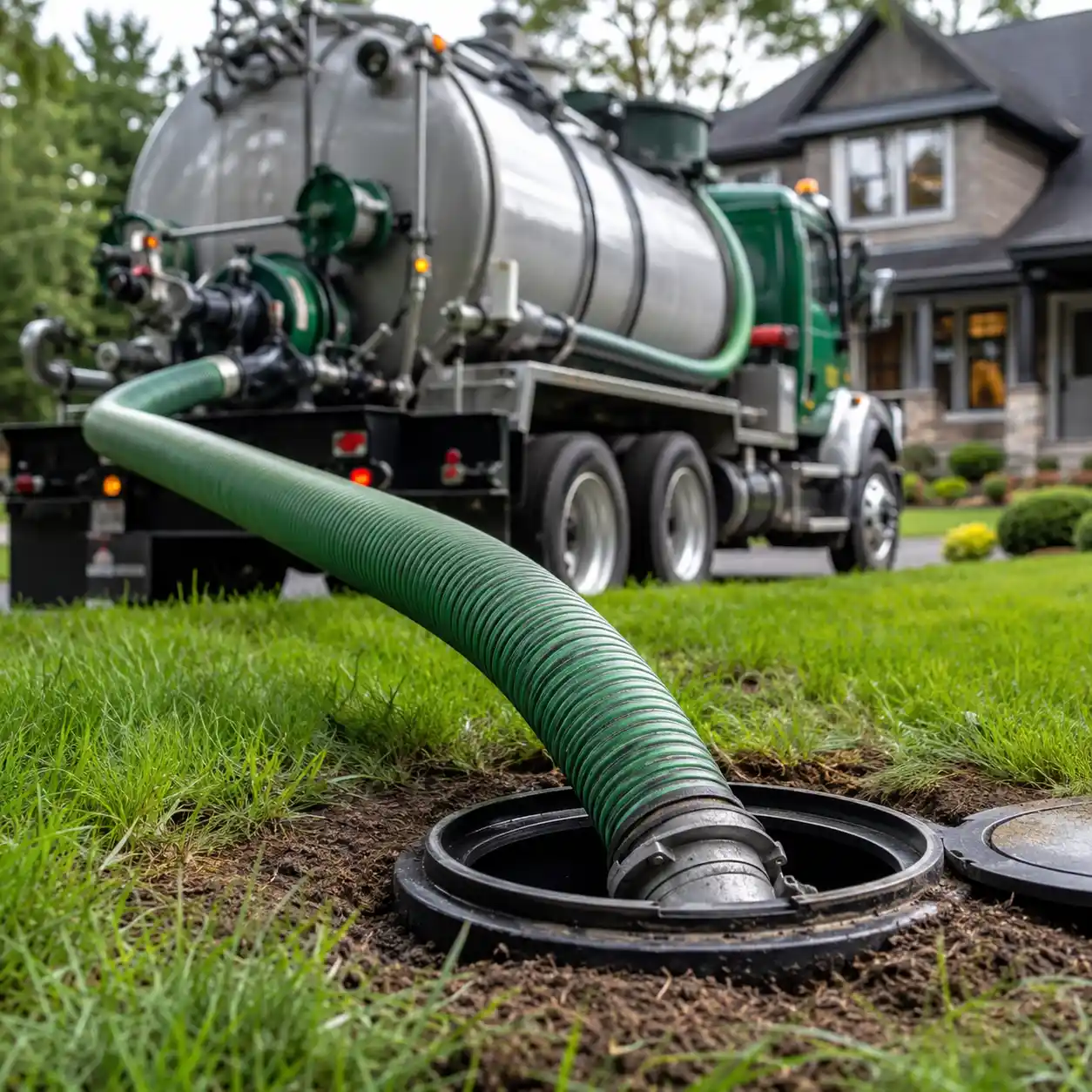
Once your new system is in the ground, staying on a regular pumping schedule protects the investment.
Start With a Soil Evaluation
Whether it’s new construction or a full replacement, everything starts with understanding what your soil can actually support.
- Soil evaluation and percolation testing
- System design matched to your site
- Full county permitting handled for you
- Conventional and engineered system installation
- Final inspection coordination
- Site restoration included
Tell Us About Your Needs
We’ll reach out to confirm your appointment details.