Septic Tank Pumping in Woodstock, GA
Regular pumping is the single most effective thing a homeowner can do to keep a septic system out of trouble. We pump tanks of every size across Cherokee County and the surrounding foothills, and we’ll tell you honestly when your tank can wait another year.
Same-Week Availability
Priced Before We Dig
Schedule Pumping
Why Regular Pumping Actually Matters
Every tank has three layers working inside it: a scum layer of grease and fats floating on top, a middle layer of relatively clear liquid, and a sludge layer of settled solids on the bottom. Bacteria break down some of that sludge over time, but not all of it, and what’s left keeps accumulating with every load of laundry and every flush.
As sludge builds, the tank’s usable capacity shrinks, giving wastewater less time to settle before it flows out to the drain field. Eventually solids start washing out with the liquid instead of staying behind, and that’s when a simple pumping problem turns into an expensive drain field problem.
Every three to five years is the standard interval for most households, though a full house with a garbage disposal often needs it closer to three. On the clay soil common through Cherokee and the surrounding counties, protecting the drain field this way matters even more, since a field replacement out here tends to cost a lot more than staying current on pumping.
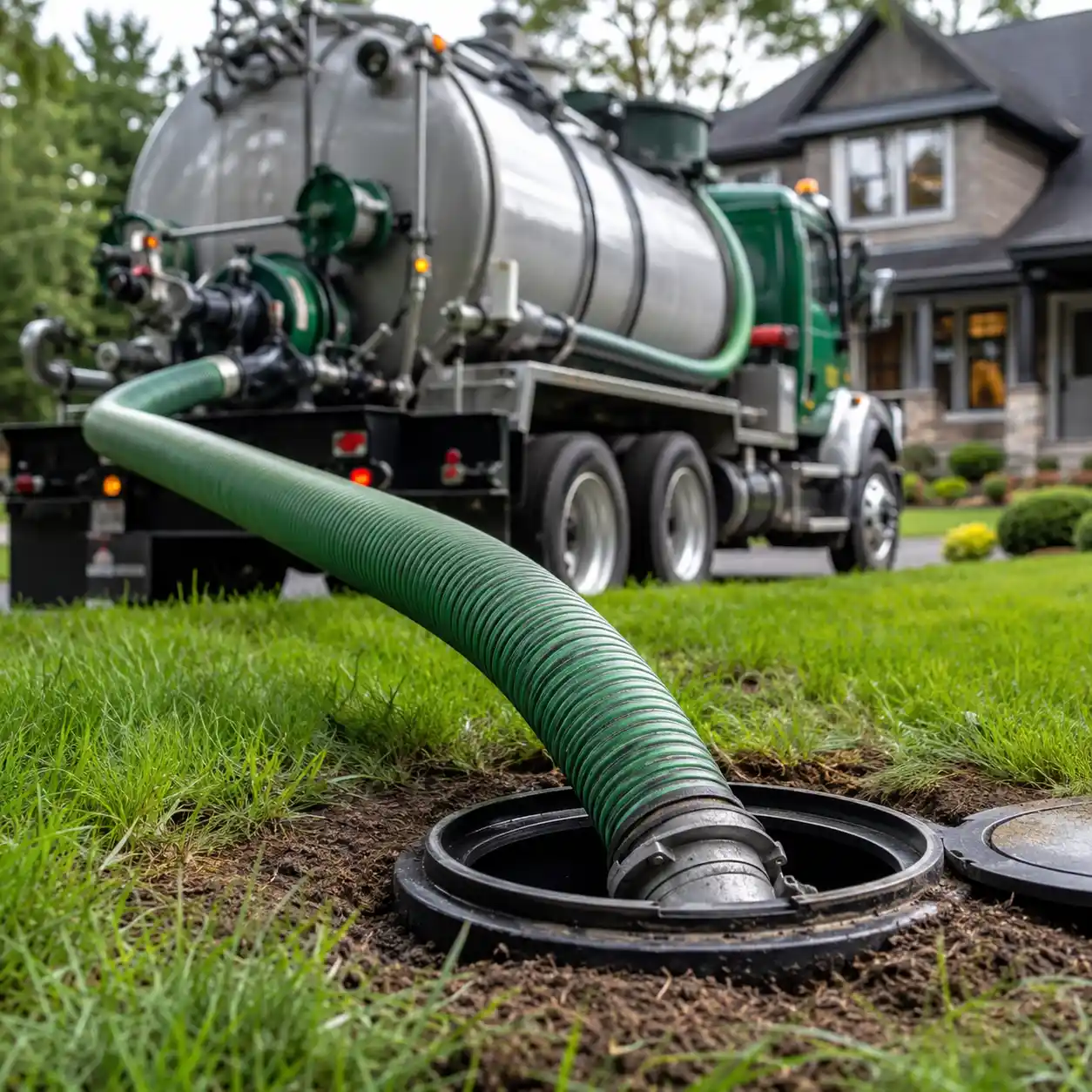
What Happens During a Pumping Visit
A checklist our technicians actually follow, not a marketing summary.
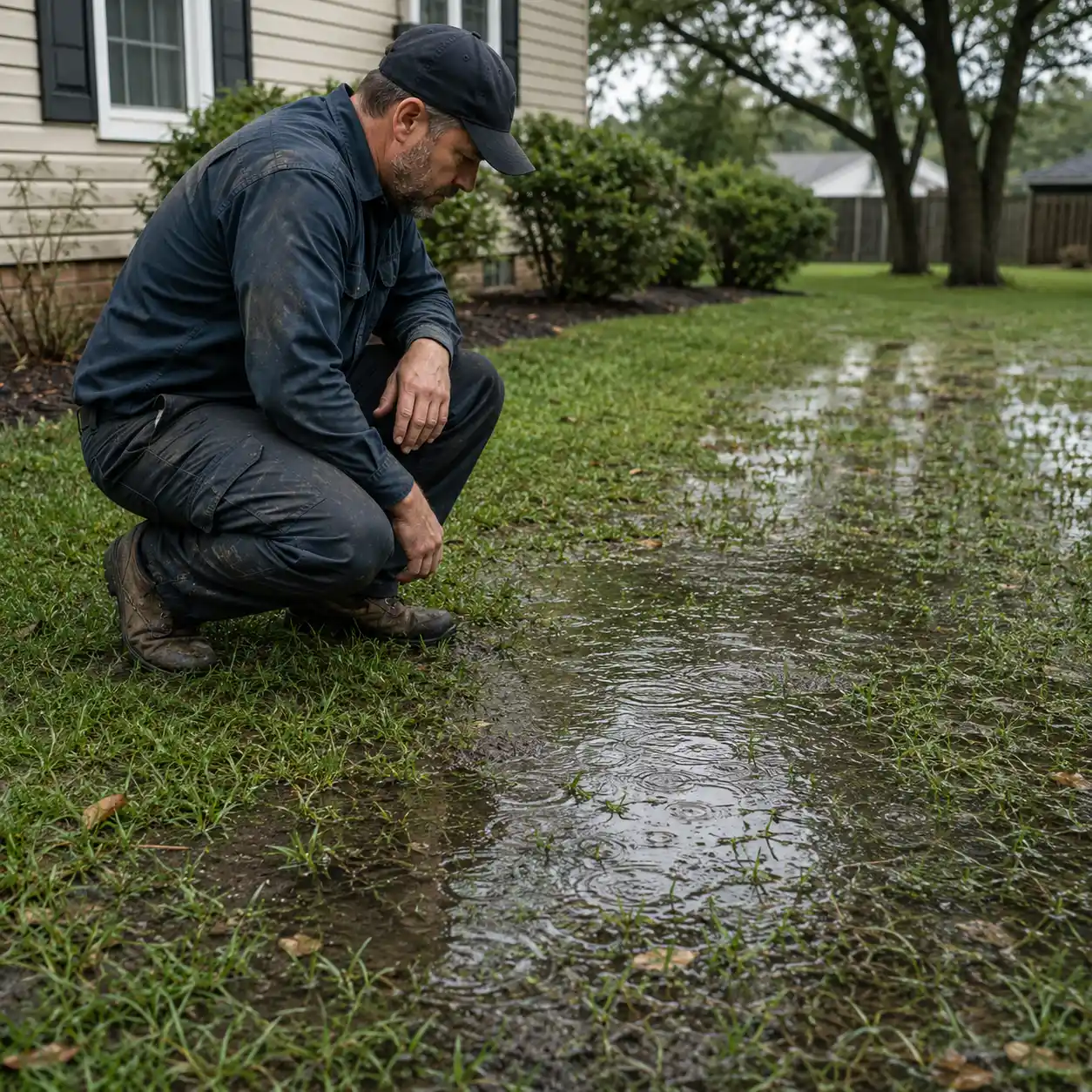
Signs Your Tank Is Overdue
Most tanks don’t announce themselves until they’re already past due. Here’s what tends to show up first:
- Drains throughout the house running slower than usual
- A sewage smell near the tank lid or in the yard
- Wet, spongy ground directly over the tank
- Gurgling sounds coming from toilets or drains
- Backup in the lowest drain in the house, often a basement floor drain
- Unusually lush, green grass in a strip over the tank area
Any one of these on its own isn’t necessarily an emergency, but a couple together usually means it’s time to get on the schedule rather than wait.
From Call to Completed Pump-Out
Schedule a Time
Tell us your address and roughly what you know about the system, if anything.
We Locate the Tank
If it’s unmarked, this step takes longer — worth knowing if you’re planning your morning around the visit.
Pump & Inspect
Most residential jobs run 30 to 60 minutes once the tank is uncovered.
Report & Next Steps
We tell you what we found and when to expect your next pumping, no upsell attached.
General Pumping Frequency Guidelines
A starting point based on household size and tank size — your actual interval depends on your specific tank and usage.
These are general planning guidelines, not a guarantee. Actual sludge and scum levels, checked at each pumping, are what should really drive your next appointment.
Pumping for Offices, Churches & Small Commercial Sites
Plenty of commercial properties in Cherokee and the surrounding counties sit far enough out that they’re on septic rather than municipal sewer — small offices, churches, daycares, and standalone retail buildings among them.
Commercial tanks generally see steadier, more predictable flow than residential ones, which makes them a good fit for a set pumping schedule rather than a wait-and-see approach. We’ll help you figure out an interval based on actual usage instead of guessing at it.
If your kitchen also runs a commercial fryer or dishwashing line, pair this with our grease trap service to keep both systems on the same visit.
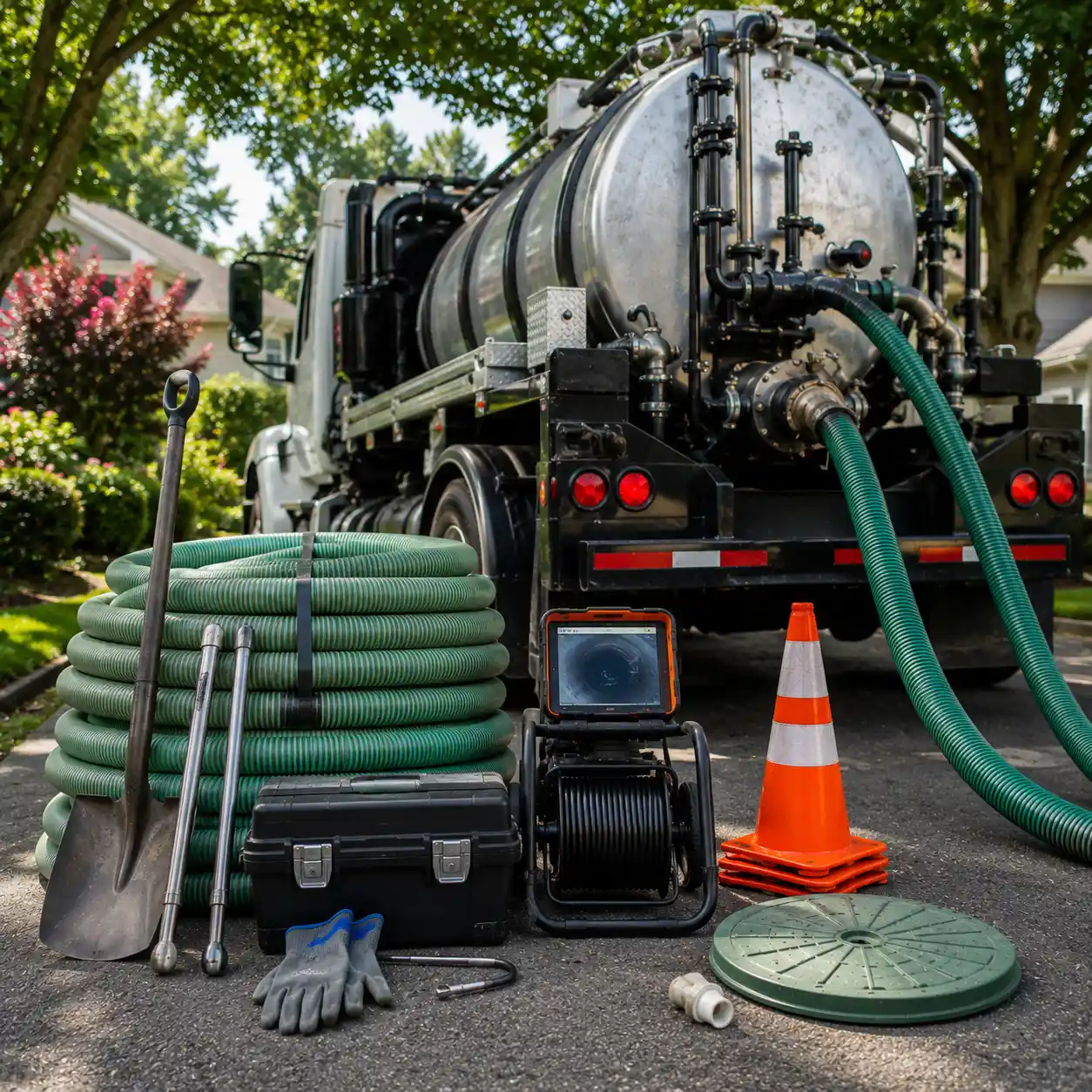
Pumping Appointment Questions
Not necessarily, as long as we can access the tank and you’re reachable by phone if we have questions. Just let us know when you schedule if you won’t be on-site.
If you know roughly where the tank is, clear the area of any furniture, planters, or parked cars. If you have a septic permit or as-built drawing, having it handy speeds things up, but it’s not required.
We’ll check county on-site sewage records first, then probe based on where the plumbing leaves the house. On older properties without records, this can add time to the visit, so we’ll always let you know before it turns into extra cost.
Usually, yes, though heavy rain can make locating and accessing an unmarked tank harder and messier. We’ll call ahead if weather looks like it’ll significantly affect your specific appointment.
Accessing a buried lid sometimes means digging down a few inches to a foot of soil, which we backfill when we’re done. If the tank has a riser brought up to grade already, there’s no digging involved at all.
We’ll stop, show you what we found, and explain the options before doing anything beyond the pumping you scheduled. Cracked lids and structural issues are usually fixable without a full tank replacement.
Pump Trucks on a Set Route
Our pumping route covers Cherokee, Forsyth, Cobb, Bartow, Pickens, and Paulding counties, with trucks in each of those areas on a regular basis rather than a special trip out.
That regularity is part of why we can usually get a pumping appointment scheduled within the week — we’re already in your part of the county on a normal basis.
- Woodstock and all of Cherokee County
- Forsyth County — Cumming and surrounding areas
- Cobb County — Acworth, Kennesaw
- Bartow County — Cartersville
- Pickens County — Jasper
- Paulding County — Dallas, Hiram
Other Septic Services We Offer
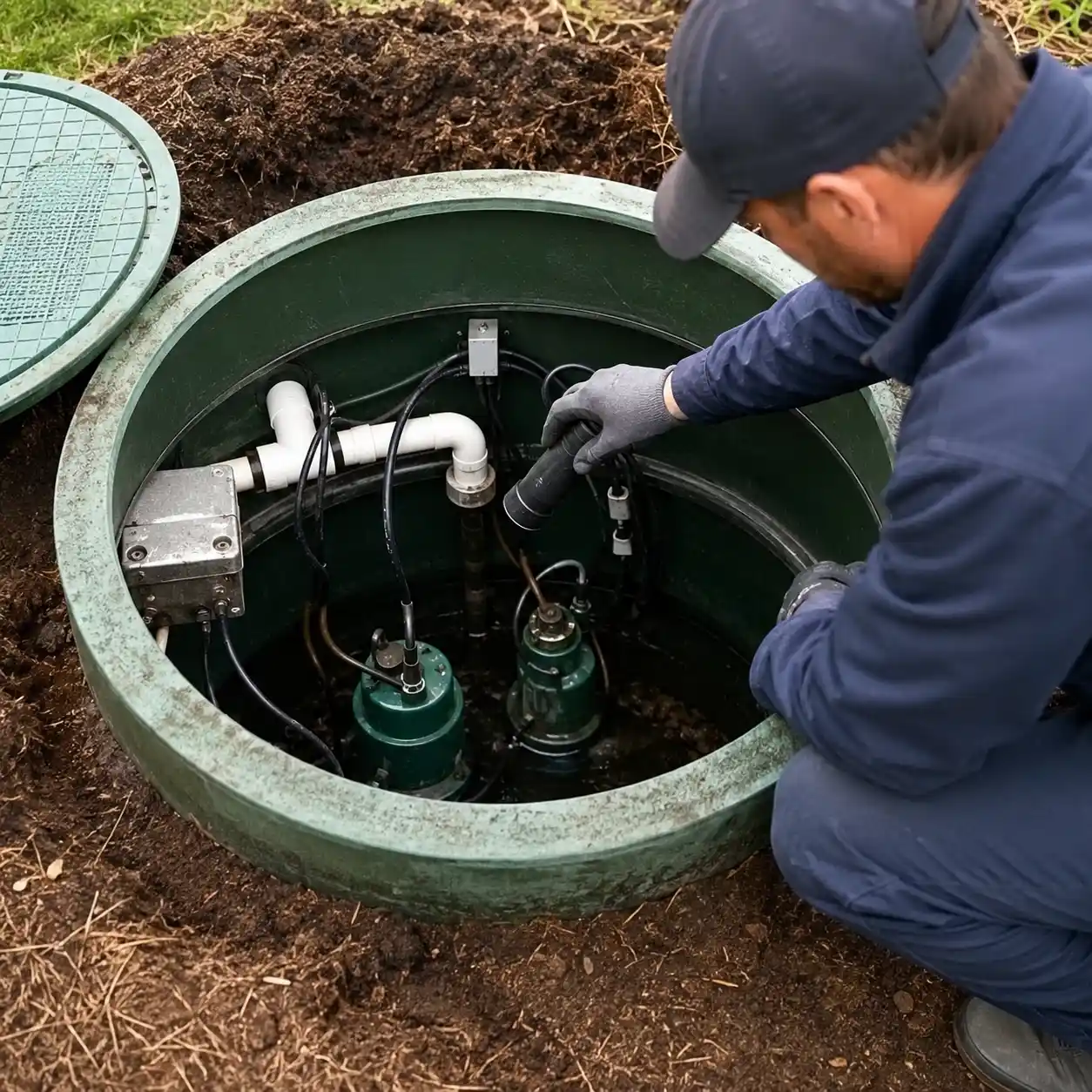
Septic Cleaning
For tanks with heavy crusting that a standard pump-out won’t fully clear. Often paired with a pumping visit that’s overdue.
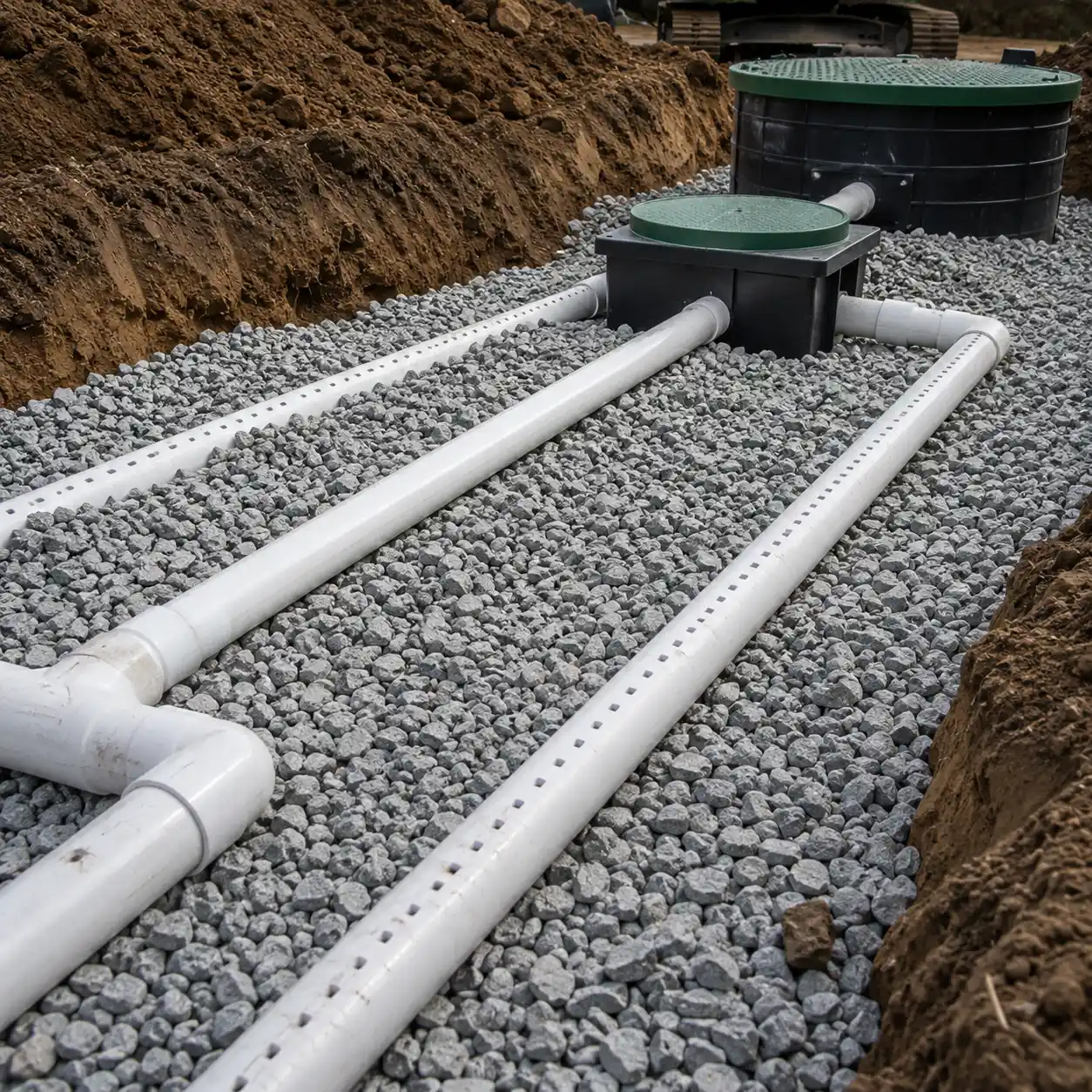
Drain Field Services
If pumping doesn’t resolve slow drains, the issue may be in the field itself. We can diagnose it on the same visit.
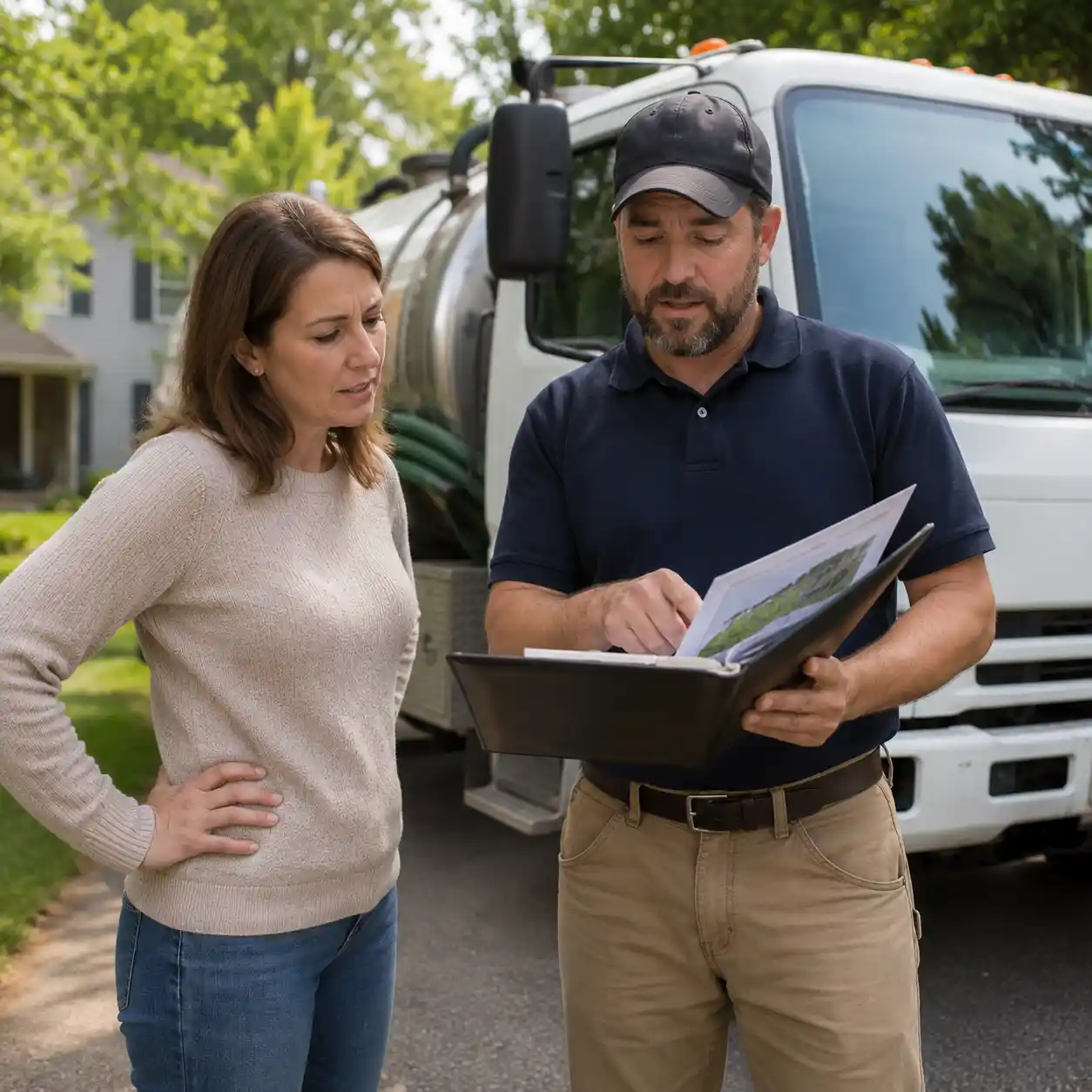
Septic Inspections
A pumping visit isn’t a substitute for a full inspection — useful to know if you’re buying, selling, or just want a complete picture.
Get Your Tank on the Schedule
Tell us your address and roughly when your tank was last serviced, if you know, and we’ll take it from there.
- Routine pumping on a 3–5 year cycle
- Overdue tank pumping
- Baffle and lid condition check included
- Sludge and scum measurement
- Written service record
- Same-week scheduling in most cases
Tell Us About Your Needs
We’ll reach out to confirm your appointment details.